From Darkness to Light: Discovering the Message of Hope Behind The Battle Between Good and Evil
Even in humanity’s darkest moments, the possibility of light remains. Sometimes, discovering that light begins with a single question.
Every generation faces its own challenges. Wars, social divisions, uncertainty, and competing ideas about truth can leave individuals searching for something more meaningful.
During such moments, the concepts of hope, faith, justice, and unity become especially important.
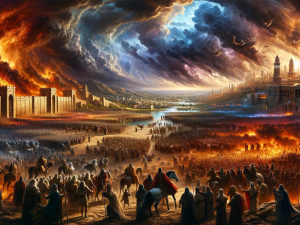
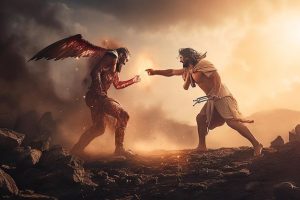
The Battle Between Good and Evil: Armageddon and the New World Order examines these themes through a spiritually focused narrative that connects biblical imagery, historical references, symbolic messages, and the authors’ interpretation of humanity’s continuing struggle between opposing moral forces.
Although the book addresses difficult and sometimes unsettling subjects, one of its most persistent themes is the possibility of moving toward a world defined by peace, love, and happiness.
Why the Struggle Between Good and Evil Still Matters
The distinction between good and evil has occupied human thought for thousands of years.
Religious traditions have explored questions of temptation, redemption, judgment, and righteousness. Philosophers have debated the origins of morality and the responsibilities individuals have toward one another.
These questions remain relevant because human beings continue to face decisions involving honesty, compassion, justice, and personal responsibility.
The manuscript approaches these concerns through a biblical and spiritual framework, presenting the conflict between good and evil as something that influences both humanity as a whole and individual lives.
It challenges readers to consider the consequences of division and the importance of maintaining moral conviction during periods of uncertainty.
The Meaning of Spiritual Awakening
A significant theme within the publication is the idea of awakening.
In the authors’ narrative, awakening represents a movement toward greater understanding, spiritual awareness, and recognition of what they believe to be hidden or overlooked truths.
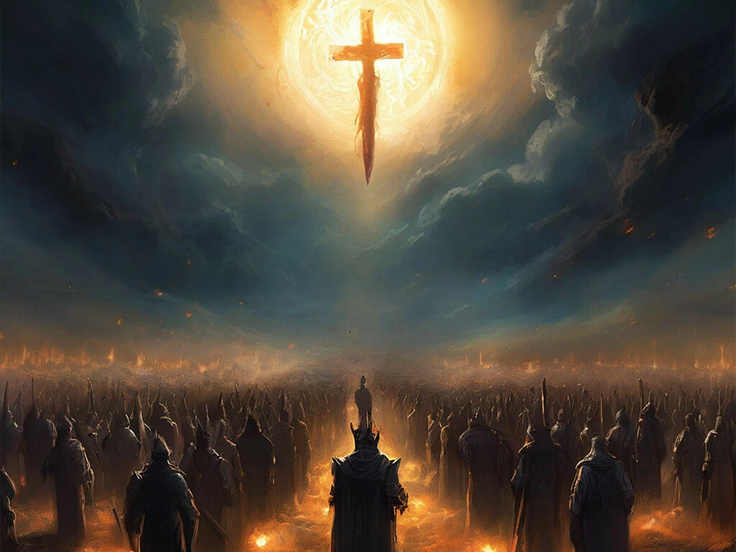
The book describes this transformation through the imagery of light replacing darkness.
Its emphasis on the heart, mind, and soul invites readers to reflect on the nature of personal transformation.
What does it mean to become more aware of one’s beliefs? How can people distinguish evidence from assumption? And how might spiritual reflection influence the way individuals treat others?
These questions offer readers an opportunity to engage with the publication thoughtfully, whether they agree with its interpretations or approach them from a different perspective.
Unity as a Response to Division
Among the book’s recurring messages is the importance of unity.
The authors argue that division weakens communities and that hatred, fear, and violence can prevent humanity from achieving lasting peace.
Their narrative repeatedly returns to compassion and solidarity as alternatives to destructive conflict.
This emphasis gives the book a message that extends beyond its more complex historical and prophetic interpretations.
Regardless of individual beliefs, the importance of treating others with dignity, protecting vulnerable people, and resolving disagreements peacefully remains a meaningful subject for reflection.
The manuscript invites readers to consider how personal conduct contributes to the broader world.
A Reading Experience Filled With Symbols and References
Unlike many books centered on spiritual themes, The Battle Between Good and Evil uses a layered presentation.
Readers encounter photographs, numbered messages, biblical citations, dates, historical references, and recurring symbols.
These elements form an interconnected structure that the authors encourage readers to examine carefully.
The publication also incorporates numerical interpretations and invites further research through outside resources.
For readers interested in symbolism, biblical interpretation, and unconventional narrative structures, this approach creates a distinctive reading experience.
It also makes critical thinking essential, particularly when exploring interpretations that involve contested historical or political claims.
The Hope of a More Peaceful Future
Although the book’s title emphasizes conflict, its repeated focus on peace provides an important contrast.
The authors imagine a future in which humanity moves beyond suffering, division, and injustice.
Within the narrative, this vision is closely connected to faith, truth, and spiritual transformation.
The book encourages readers to reflect on whether a better future begins with dramatic changes in the world or with the everyday choices people make to act with greater compassion.
Perhaps the most meaningful question is not simply whether good can overcome evil, but what each person can do to contribute to a more peaceful society.
The Journey Begins With Reflection
The Battle Between Good and Evil: Armageddon and the New World Order invites readers into an expansive exploration of faith, symbolism, human history, and moral responsibility.
Its unusual presentation encourages curiosity, reflection, and careful examination.
When darkness seems overwhelming, the smallest act of compassion can remind us that hope has not disappeared.
Explore the ideas behind The Battle Between Good and Evil and prepare to discover a publication that asks readers to look deeper, question thoughtfully, and reflect on humanity’s future.